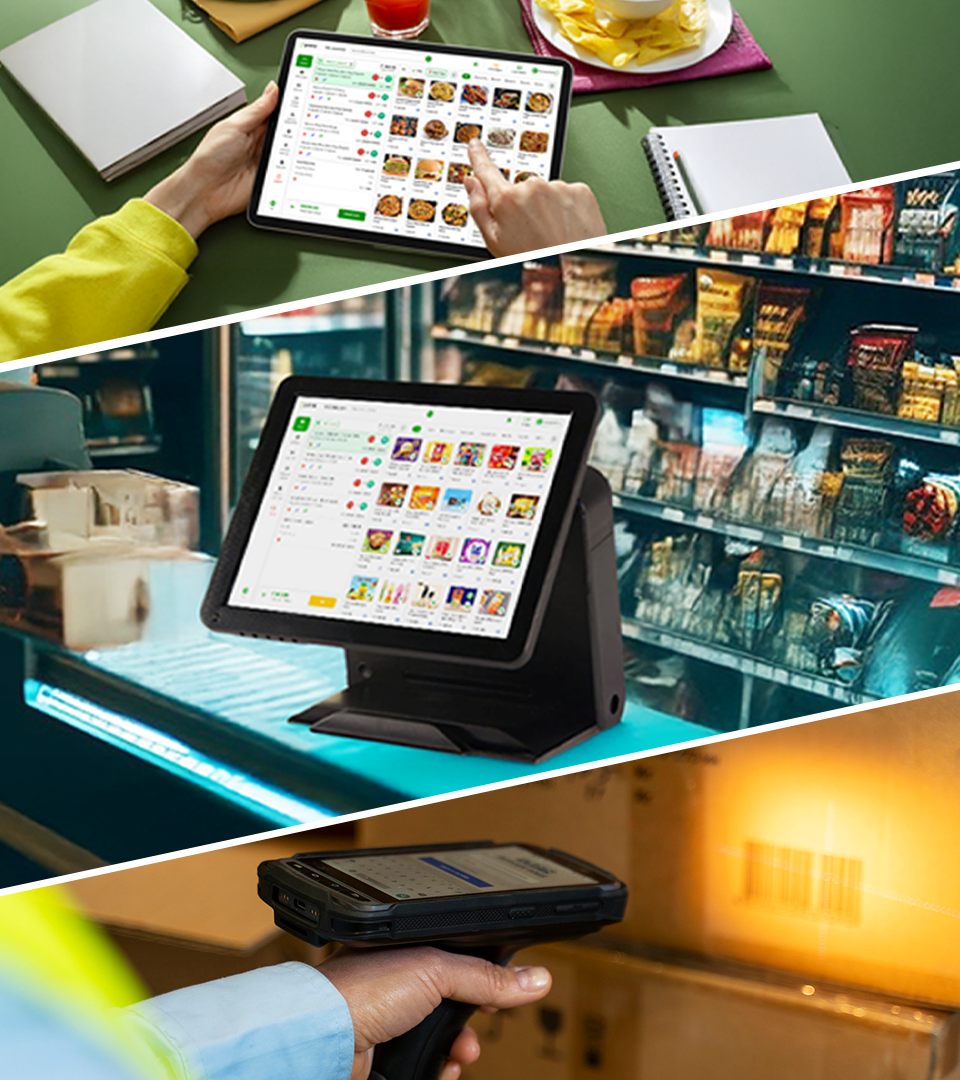
How to start a Pooja Store Business?
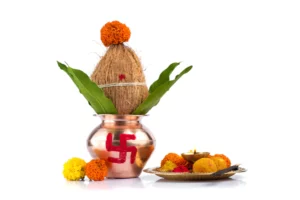
Starting a Pooja Store Business can be a good opportunity for entrepreneurs who want to enter the retail market. Pooja stores sell products that customers need throughout the year, while demand can increase during festivals, weddings, housewarming ceremonies and other special occasions.
From pooja samagri and incense sticks to diyas, idols, flowers, lamps and decorative items, a well-managed store can serve regular customers as well as seasonal buyers.
But starting the store is only the first step. Managing products, suppliers, billing, GST, stock and sales becomes important as the business grows.
This guide explains how to start a pooja store business in India, what products to sell, how to manage daily operations and how the right retail software can make the business easier to manage.
What is a Pooja Store Business?
A pooja store is a retail business that sells products used for religious ceremonies, daily prayers, festivals and traditional occasions.
Common products include:
-
Pooja samagri
-
Incense sticks and dhoop
-
Camphor
-
Diyas and oil lamps
-
Cotton wicks
-
Pooja oils
-
Kumkum and turmeric
-
Idols and religious statues
-
Bells and pooja accessories
-
Decorative items
-
Festival-specific products
-
Gift and return-gift items
Some stores also sell products for specific festivals or communities. This gives business owners an opportunity to expand their product range according to local demand.
How to Start a Pooja Store Business?
Starting a pooja shop does not always require a large store. You can begin with a small retail outlet and gradually expand based on customer demand.
Here are the important steps.
1. Understand Your Local Market
Before opening the store, understand what people in your area regularly buy.
Check:
-
Popular pooja products
-
Festival demand
-
Local customer preferences
-
Nearby competitors
-
Product prices
-
Wholesale suppliers
-
Products with regular repeat purchases
For example, demand for diyas, idols, decorative products and pooja kits may increase around Diwali, Navratri, Ganesh Chaturthi and other festivals.
Understanding seasonal demand can help you purchase the right quantity at the right time.
2. Choose the Right Store Location
Location can have a major impact on retail sales.
A pooja store can work well near:
-
Residential areas
-
Temples
-
Marketplaces
-
Supermarkets
-
Wedding shopping areas
-
Religious places
-
Busy streets
-
Festival shopping areas
Choose a location that is convenient for your target customers and has good visibility.
3. Decide What Products to Sell
Start with products that customers commonly purchase and then expand your range.
You can divide your products into categories such as:
Daily Pooja Products
-
Camphor
-
Incense sticks
-
Cotton wicks
-
Kumkum
-
Turmeric
-
Pooja oil
Pooja Accessories
-
Plates
-
Bells
-
Lamps
-
Containers
-
Pooja kits
Idols
-
Ganesha idols
-
Lakshmi idols
-
Krishna idols
-
Shiva idols
-
Other religious idols
Festival Products
-
Festival decorations
-
Diyas
-
Torans
-
Special pooja kits
-
Festival-specific items
This category-based approach makes it easier for customers to find products and helps you manage stock.
4. Find Reliable Suppliers
Your suppliers directly affect product quality, availability and profit margins.
Compare suppliers based on:
-
Wholesale price
-
Product quality
-
Minimum order quantity
-
Delivery time
-
Return policy
-
Festival-season availability
-
Payment terms
Keep more than one supplier for important products whenever possible. This can help you avoid stock shortages during busy festival periods.
5. Plan Your Budget
Create a simple business budget before opening the shop.
Your initial investment may include:
-
Shop rent or advance
-
Store interiors
-
Shelves and display units
-
Initial inventory
-
Billing equipment
-
POS machine
-
Barcode scanner
-
Computer or tablet
-
Signboard
-
Licences and registrations
-
Marketing expenses
Keep some working capital aside for restocking and unexpected expenses.
How to Manage a Pooja Store Efficiently?
Opening a store is easier than managing it every day.
As your product range increases, manually tracking every purchase and sale can become difficult.
You need to know:
-
What products are selling?
-
What products are running out?
-
Which items are slow-moving?
-
How much did you sell today?
-
How much did you purchase?
-
Which supplier supplied the products?
-
What is your current stock?
-
Which products generate better margins?
This is where a pooja shop management system can help.
A digital system can bring billing, inventory, purchasing, sales and reporting together instead of maintaining separate notebooks or spreadsheets.
Use POS Software to Manage Your Pooja Store
A pooja store POS software can help business owners manage everyday retail operations from one system.
Instead of manually writing bills and checking stock separately, you can manage sales and inventory digitally.
A POS system can help with:
-
Fast billing
-
Product management
-
Stock tracking
-
Barcode billing
-
Purchase management
-
Supplier management
-
Sales reports
-
Customer records
-
Expense tracking
-
GST billing
-
Business reports
For a growing shop, this can save time and reduce manual work.
Pooja Shop Billing Software for Faster Checkout
During festivals, customer traffic can increase significantly. Fast billing becomes especially important during busy shopping periods.
With pooja shop billing software, you can create bills quickly, search products and record payments digitally.
Barcode-based billing can make the process even easier.
For products with barcodes, a barcode billing software for pooja shop can allow the cashier to scan the product instead of manually entering product details.
This can help reduce:
-
Manual entry
-
Pricing mistakes
-
Duplicate entries
-
Billing delays
A pooja store billing system can also keep your sales records organized for future reporting.
Manage Pooja Store Inventory Easily
Inventory is one of the most important parts of running a retail store.
You may have hundreds or even thousands of products with different sizes, prices and purchase costs.
Using pooja shop inventory management software can help you track stock more accurately.
You can monitor:
-
Current stock
-
Available quantity
-
Purchased quantity
-
Sold quantity
-
Low-stock products
-
Fast-moving products
-
Slow-moving products
-
Product-wise sales
A pooja store stock management software can be especially useful before major festivals when you need to prepare inventory in advance.
Why Pooja Stores Need Billing Software
A small shop can initially manage sales with handwritten bills or basic billing tools.
But as the number of products and customers increases, a digital system becomes more useful.
The main benefits include:
Faster Billing
Create bills quickly during regular and festival-season sales.
Better Stock Control
Know which products are available and which need to be reordered.
Fewer Billing Errors
Barcode-based billing can reduce manual product entry.
Easy Sales Tracking
Check daily, weekly and monthly sales from reports.
Better Purchase Planning
Use sales information to decide what to purchase and when.
Organized Business Records
Keep sales, purchases, expenses and inventory information together.
Support Business Growth
A scalable system can help when you add more products, employees or branches.
How POS Helps Pooja Store Business
The right POS system is not only for creating bills.
It can become a complete retail management solution.
A pooja store business software solution can help connect:
Products + Billing + Inventory + Purchases + Suppliers + Customers + Expenses + Reports
This gives business owners a clearer view of their daily operations.
For stores planning expansion, an all-in-one software for pooja shops can reduce the need to use multiple separate tools.
How to Make Your Pooja Store Ready for Festival Season
Festival demand can create a major sales opportunity for retail businesses.
Prepare your store before the season starts.
Before the Festival
-
Review previous festival sales.
-
Identify fast-moving products.
-
Check current stock.
-
Contact suppliers early.
-
Prepare festival bundles.
-
Update product prices.
-
Check your POS and barcode scanner.
-
Train employees on billing.
-
Prepare enough packaging materials.
During the Festival
-
Monitor stock every day.
-
Watch fast-selling products.
-
Reorder important items.
-
Track daily sales.
-
Keep billing counters organized.
-
Offer relevant product combinations.
After the Festival
-
Check remaining inventory.
-
Identify slow-moving products.
-
Review total sales.
-
Compare purchases and sales.
-
Calculate expenses and margins.
-
Plan the next seasonal campaign.
This approach can help you turn festival demand into a more organized retail opportunity.
Choose the Right POS Software for Your Pooja Store
Before choosing the best POS software for pooja stores, look beyond billing.
Consider whether the software provides the features your business actually needs.
Look for:
-
Easy billing
-
Inventory management
-
Barcode support
-
GST billing
-
Purchase management
-
Supplier management
-
Customer management
-
Expense tracking
-
Sales reports
-
Profit reports
-
Multi-store support
-
Easy product management
-
Simple user interface
-
Reliable customer support
The best solution is not necessarily the one with the most features. It should be easy for you and your staff to use every day.
Frequently Asked Questions(FAQs) about Pooja Store
Is a pooja store business profitable in India?
A pooja store can have opportunities from both regular and seasonal demand. Profitability depends on location, product selection, pricing, supplier costs, operating expenses and customer demand.
What products should I sell in a pooja store?
Common products include incense sticks, camphor, diyas, cotton wicks, pooja oils, kumkum, turmeric, idols, lamps, pooja accessories and festival-specific products.
Do I need POS software for a small pooja shop?
A small shop can start with basic billing, but POS software becomes more useful as product quantity, customer traffic and transaction volume increase.
What is the best billing software for pooja shops?
The best billing software should provide easy billing along with the features your store needs, such as inventory tracking, GST billing, barcode support, purchases and sales reports.
How can I manage pooja shop inventory?
Maintain accurate purchase and sales records, monitor fast-moving products, set reorder levels and review stock regularly. Pooja store inventory software can automate much of this process.
Can POS software manage festival-season sales?
Yes. POS software can help you monitor sales, stock and fast-moving products, making it easier to prepare for periods of higher festival demand.
Can I use barcode billing for pooja products?
Yes, compatible pooja products can be managed with barcode-based billing. A barcode scanner can help identify products faster during checkout.
Can POS software support multiple pooja store branches?
Depending on the software, multi-store features can help business owners monitor branch-wise sales, inventory, purchases and other operations from a centralized system.
Final Takeaway
Starting a pooja store can be a practical retail business opportunity for new entrepreneurs and existing retailers looking to expand into festival-related products.
Start with the right location, understand local demand, choose reliable suppliers, maintain the right inventory and provide fast customer service.
As your business grows, use technology to simplify billing, inventory, purchasing, sales and reporting.
The right retail POS system can help you spend less time managing records and more time growing your pooja store.